
Going to Japan? Where do you want to go?
Most likely, many people would say that they want to travel to Tokyo, Osaka, Kyoto, Hiroshima, and even Sapporo. Indeed, these are a few of the top destinations that thousands of people dream of visiting as they see interesting reels on their phones or even stories from other travelers. But, as a foreigner living in this country, I’d like to share with you another great region that you may want to consider as your next travel destination: Shikoku.
Shikoku is home to four distinct prefectures: Ehime, Kochi, Kagawa, and Tokushima. You may not have heard of those prefectures, because it was the same with me when I came to Japan four years ago.
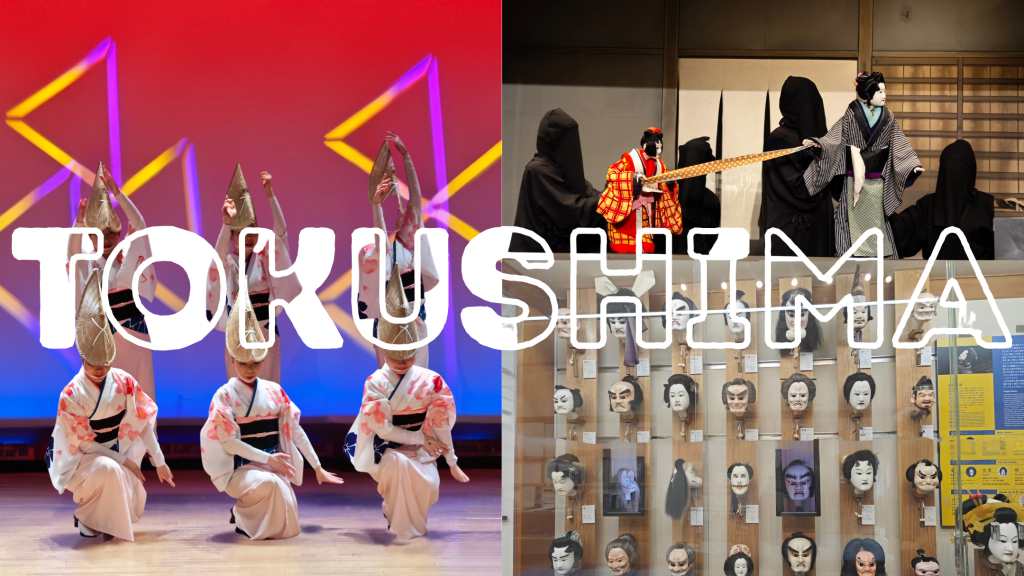
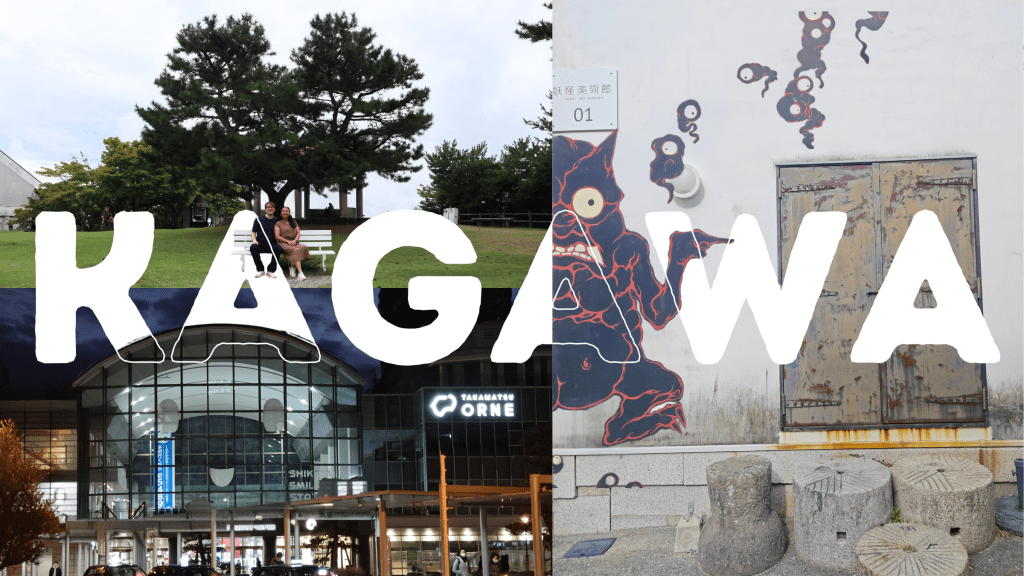
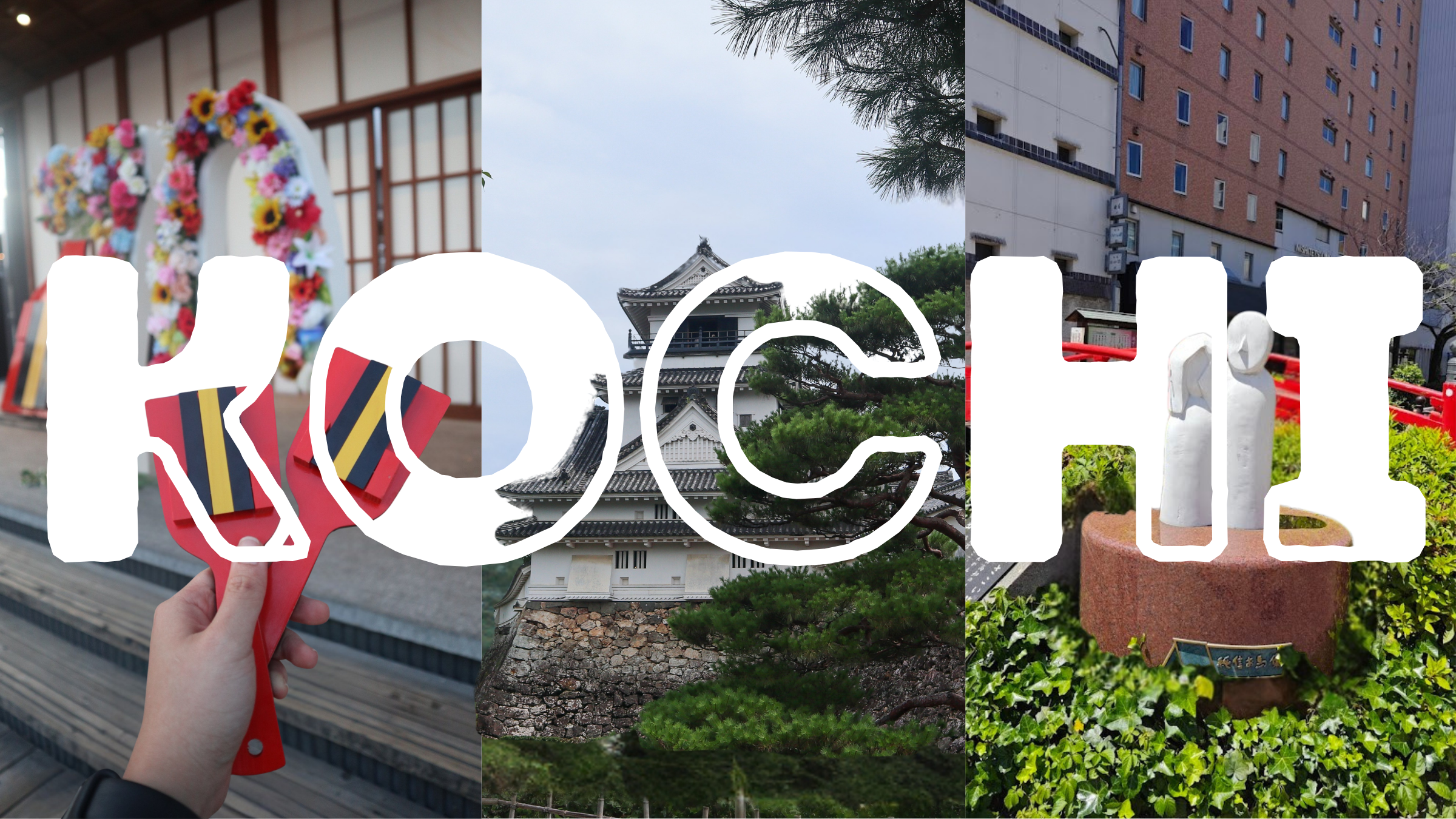
In the coming weeks, I’d like to share some of the wonders I personally discovered since I start living in Matsuyama, Shikoku’s largest city. For now, let me share what I experienced and what I am still trying to explore in the past three and a half years.
Seeing Beauty in the Unknown
Before coming to Japan, I’d never even heard of Shikoku. As someone who mostly got information online or in other mass communication materials, I had the idea of Japan based on the information I read or watched about Tokyo, Kyoto, Hiroshima, Hokkaido, Okinawa, and other popular tourist destinations. However, when I did get the opportunity to work here, I was assigned to the lesser-known region of the country. This brought an additional concern for my already anxious mind, way back in 2021. I made a choice that was life-changing. When the world was still in the middle of the COVID pandemic, and with uncertainties everywhere, I took the chance to live abroad.
As a person who is also wary of new engagements, I tried to learn the language as one of the means to somehow prepare myself for this unfamiliar world I would be venturing into. I wrote down all of the possible things that I would need, as I was only allowed to bring a maximum of two large suitcases. There had been days when I had gone through Google Maps to check out the neighborhood that I would be living in for the next three years or so. Yes, I was that anxious. But the searching didn’t give me peace. I even later found out that there weren’t any nearby convenience stores or even banks in my area. That was surprising for me then, but I was struck by more bizarre realizations once I stepped into the region.
Adjusting Little by Little
I didn’t travel a lot during the first year of living in Japan, most notably because I had to deal with the massive changes around me when I arrived: housing, transportation means, language differences, cultural differences, and so much more.
Even at present, I am still trying to figure things out wherever I go. After all, living in a foreign country is tough, most especially because everything may seem familiar and utterly unfamiliar at the same time. Going to the bank and opening an account, grocery shopping and choosing items to buy, getting on the train and trying to figure out where the right stop is, all of these seem too similar to what I was used to in the Philippines. But here I am trying to bridge the gap, yet the language barrier still baffles me. To make matters worse, I am based far from the bigger cities. Amenities, transportation, social norms, and other practices are way different, and more analog than what I was used to in Metro Manila.
For someone who lived most of her life in the capital region, I didn’t fully realize how convenient I had it back home. City amenities were highly accessible: bank and payment transactions were seamless with just a tap of my card (no need for a bankbook, which I only got here for the first time); ATMs were open 24/7 and not only during business hours; I tapped on a biometric record for time in and time out at work, and not needing to stamp a paper calendar every day writing the exact time I got in and off work; and so much more. Nonetheless, I found great wonders in living in Shikoku.
The first of these discoveries is that I learned to slow down. I learned to take my time as I walk thousands of steps a day. I enjoyed the quiet and wide rice fields along the narrow streets of my neighborhood. I got to explore places that most tourists wouldn’t visit, just like the unusual yet inviting cafes (kissaten) that I now frequent. I gradually made the neighborhood my own. I navigated unfamiliar roads and establishments with the help of my smartphone. Despite all of the tiring walks and some awkward pauses between conversations, I am still here; still ever grateful.
Many locals have simple yet inviting warmth. For a more introverted person like me, it feels like I enjoyed a lot of firsts as I found my footing in this new place I have to call home. This is a lot thanks to discovering the beauty Shikoku has to offer. But where exactly is this region that I am talking about?
A Hidden Wonder
Shikoku (四国), which literally means four countries (it has four prefectures), is the smallest of the major islands in Japan. This week, let’s talk about my home prefecture: Ehime, especifically Matsuyama City.

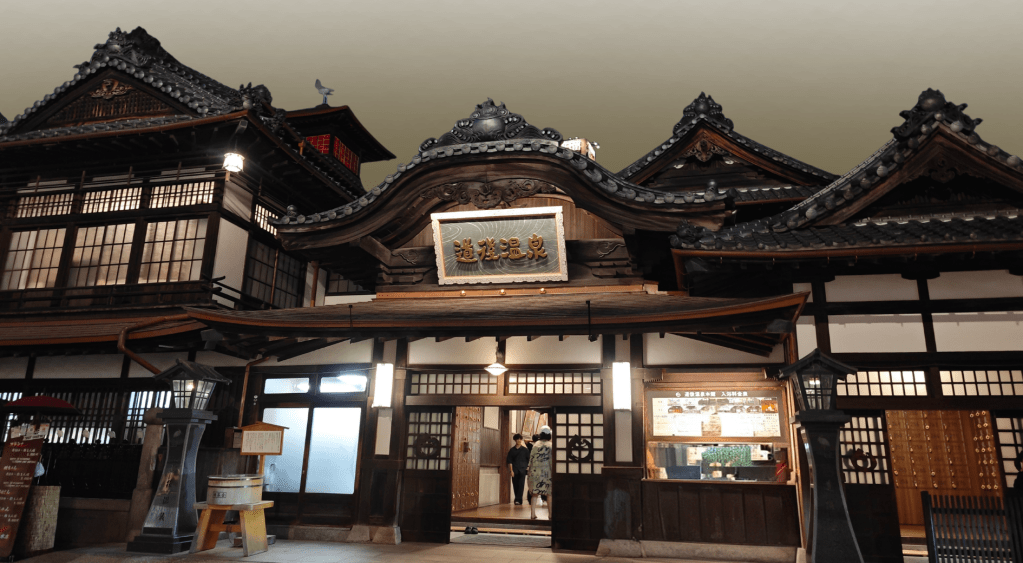
Have you ever seen the famous Ghibli movie, Spirited Away? If you have, then you are in for a treat. One of the inspirations for the hot spring (onsen 温泉) in that film is Dogo Onsen, found at the heart of Matsuyama City.
Dogo Onsen is the oldest hot spring in Japan. Sadly, I still haven’t tried going in this onsen, as when I first came to the country, the hot spring was undergoing a long-term renovation process. Luckily, last year (2024), I saw Dogo Onsen bring down its covers and see people enjoy it again in its full operational grandeur.

Aside from the oldest hot spring, there is the famous Shimonada Station, which used to be called the closest station to the sea. It is a wonderful treat to see this unmanned station and soak in the view. There is even an area that somehow resembles the railway tracks leading towards the sea, again similar to the scenes in Spirited Away. Fair warning, that track going to the sea is used by locals when they go fishing and have to set their boats out. So be extra careful.
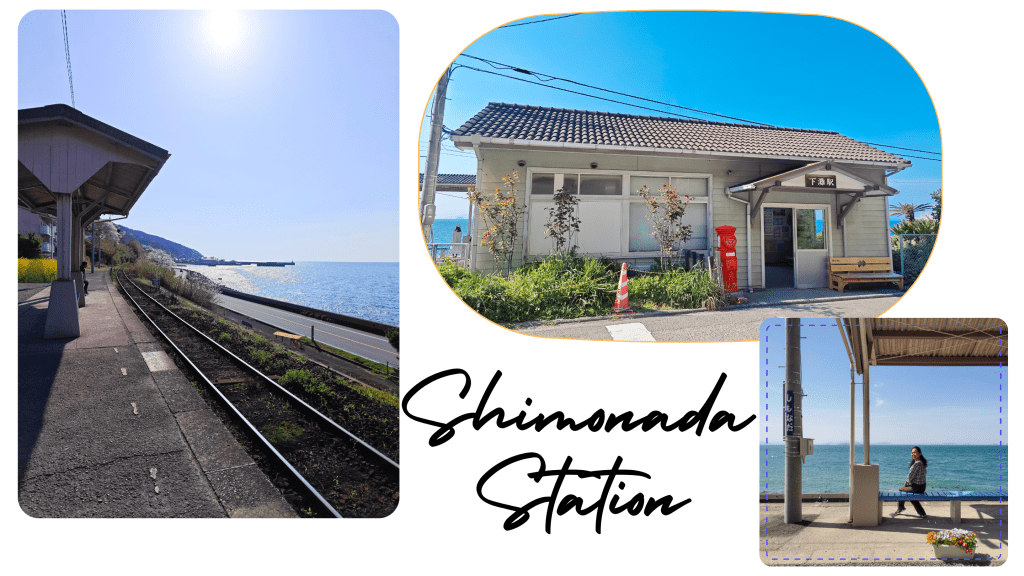
Nonetheless, Shimonada Station is still a popular destination enjoyed by locals and foreign tourists. Despite having a newer national road, for a more accessible means of driving across the local towns, the beauty of this small unmanned station still captures a rare sight that brings people together. After all, Shimonada Station offers a breathtaking sunset view that many photographers and local tourists aspire to capture during their visits.
Aside from those two top destinations, I live in the somewhat Onsen Capital of Matsuyama City. I am blessed to be a few minutes away from one of my favorite hot springs, Sora to Mori (Sky and Forest). It offers a range of amenities, but still is this quiet escape from everything else. If you are thinking of going on a hot spring trip, please check this one out. If you are like me, coming from a far more conservative community, brace yourself for getting all naked in front of other people. But do not worry, as this hot spring has separate baths for males and females. Also, if you are worried about your tattoos, they have private baths that you can enjoy when you book a room, so you can still enjoy Kume Town’s onsen tradition.
Surviving and Thriving
As someone who has been blessed with living in this quaint region of Japan, there were some struggles in keeping up with the beauty of my new home. People could even be puzzled about the reasons for my lack of travel around the region, or that of many prefectures in Japan. There are days when I also think that there were several opportunities I missed as I grew more accustomed to living in a foreign country. I will try to share more of this new sense of being at home in Japan in the coming weeks. For now, what did you think of my little city?



 Yakapin
Leave a comment