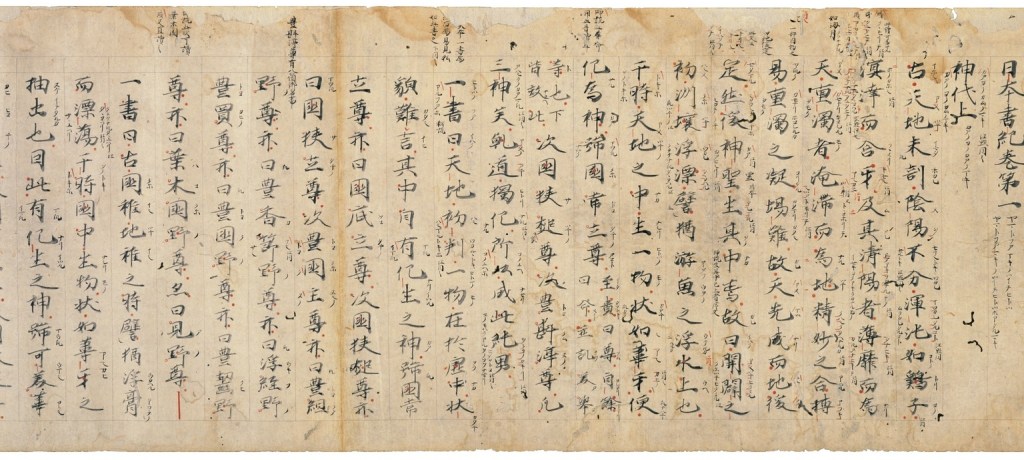
Japan’s rich cultural history is not only captured in its architecture and traditions; it is also reflected in the country’s ancient texts. The two most significant texts are the Man’yoshu (万葉集) and Nihon Shoki (日本書紀). These ancient writings offer insights into Japan’s early poetry and historical records, but also provide interesting details about the country’s oldest hot springs.
Man’yoshu: The People’s Poetry

Compiled in the 8th century, the Man’yoshu is the oldest anthology of Japanese poetry. It is filled with over 4,500 waka poems written in 20 volumes by various poets spanning the full breadth of Japanese society, from emperors and court nobles down to ordinary people. These literary works capture the essence of nature and life during that period. The anthology often references the rejuvenating and relaxing qualities of hot springs. These hot springs, known as onsen in Japanese, were revered for their healing properties. They are even frequently depicted as places of inspiration and solace for the poets of the Man’yoshu.
Nihon Shoki: A Nation’s Chronicle
.jpg)
Completed in 720 AD, the Nihon Shoki serves as the second oldest book of classical Japanese history after the Kojiki. It documents the history of Japan from its mythical origins up to the 8th century. The chronicle was written in Chinese, a reflection of how deeply Chinese culture had shaped Japan’s scholarly and political traditions at the time. Nonetheless, its pages highlight the significance of different places and practices in Japanese society, including the mentions of several hot springs. But, it is not only the simple reference of these hot springs that shows their significance, but their integration into the cultural and even spiritual life of the people.
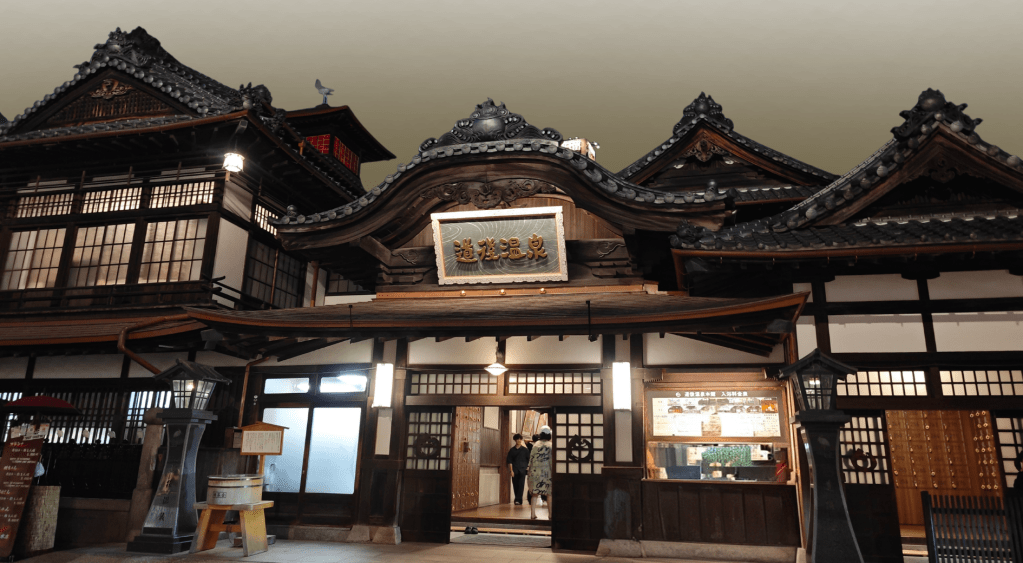
Among the oldest hot springs mentioned in the books is Dogo Onsen in Ehime Prefecture. It is believed to have been frequented by emperors and is still operational today. Both texts illustrate how hot springs were important to ancient Japanese life, offering a glimpse into the cultural heritage that continues to influence modern Japan.
References:
Aston, W.G. Nihongi: Chronicles of Japan from the Earliest Times to A.D. 697. London: Kegan Paul, Trench, Trübrer&Co., 1896.
Cartwright, Mark. “Nihon Shoki.” World History Encyclopedia, 16 May 2017. http://www.worldhistory.org/Nihon_Shoki/. Accessed 13 Mar. 2026.
“Man’yo-shu.” Encyclopedia Britannica. http://www.britannica.com/topic/Manyo-shu. Accessed 13 Mar. 2026.
“Nihon shoki.” Encyclopedia Britannica. http://www.britannica.com/topic/Nihon-shoki. Accessed 13 Mar. 2026.
Nippon Gakujutsu Shinkokai, editor. The Manyoshu: One Thousand Poems. Columbia University Press, 1965
“The Dogo Onsen Honkan: Hot Spring Waters and Literary Connections.” Nippon.com. http://www.nippon.com/en/guide-to-japan/gu900285/. Accessed 13 Mar. 2026.



 Yakapin
Leave a comment